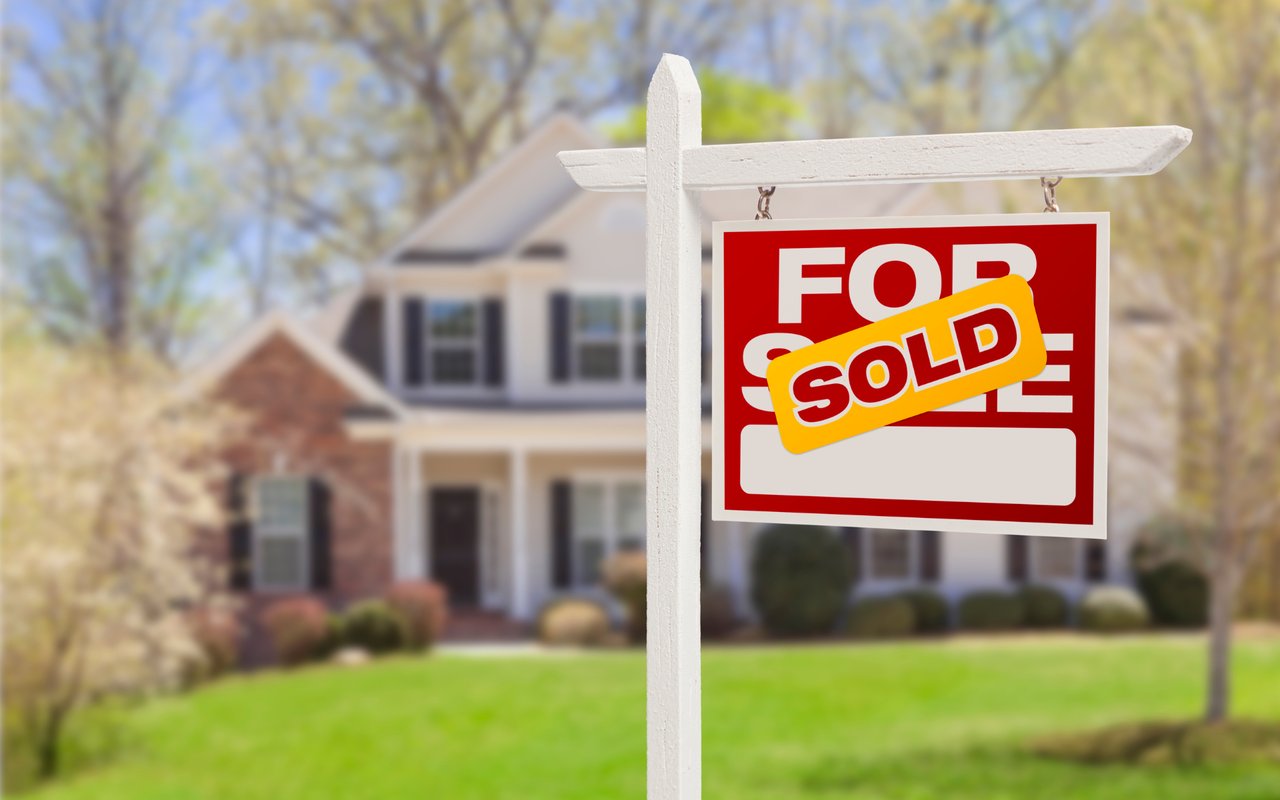
Buying a home doesn’t end the moment you sign the final papers. In fact, what happens after closing on a house is just as important as the buying process itself. The week after closing is when ownership officially settles in, responsibilities shift to you, and several behind-the-scenes tasks ensure your new home is fully protected, functional, and ready to enjoy.
Whether you’re a first-time buyer or a seasoned homeowner, this guide breaks down exactly what happens during the week after closing and what you should prioritize each day.
Day 1: Closing Day Is Done — Now What?
Closing day marks the legal transfer of ownership, but it does not always mean you can move in immediately.
Here’s what typically happens on Day 1:
-
The deed is recorded with the county (sometimes same day, sometimes next business day)
-
Funds are officially disbursed
-
You receive keys, garage remotes, and access codes (timing depends on recording)
-
Your lender finalizes loan funding
📌 Important: If recording happens late in the day, possession may begin the following business day.
Day 2: Utilities, Services, and Home Setup
One of the most overlooked parts of what happens after closing on a house is utilities and service transfers.
This is the day to:
-
Confirm electricity, water, gas, and internet are in your name
-
Set up trash and recycling services
-
Transfer or activate home security monitoring
-
Update your mailing address
If utilities were already transferred before closing, double-check billing accuracy.
🔗 Internal Link Suggestion: Buying a Home in 2026: A Complete Checklist to Prepare Before Making a Move
Day 3: Change the Locks and Secure the Home
Even if the seller hands over every key, changing the locks is non-negotiable.
During the transaction, multiple people may have had access to the property:
-
Previous owners
-
Contractors
-
Inspectors
-
Real estate agents
Recommended security steps:
-
Re-key or replace all exterior locks
-
Reset garage door openers
-
Update smart lock and alarm system passwords
This simple step protects both your family and your investment.
🔗 External Resource: How to Pick a Home Security System
Day 4: Review Closing Documents and Store Them Safely
The week after closing is the best time to review your paperwork while details are still fresh.
Documents to keep accessible:
-
Closing Disclosure
-
Deed and title insurance policy
-
Mortgage note
-
Survey and inspection reports
Create both digital and physical copies stored securely.
💡 Tip: You may need these documents for refinancing, tax filing, or resale.
Day 5: Deep Clean and Minor Repairs
Before furniture moves in, take advantage of an empty house.
This is the ideal time to:
-
Deep clean carpets, floors, and vents
-
Paint walls or touch up trim
-
Address inspection items that weren’t negotiated
-
Replace air filters and smoke detector batteries
Handling these now saves time, money, and stress later.
Day 6: Confirm Property Tax, HOA, and Insurance Details
Another key part of what happens after closing on a house is confirming ongoing financial obligations.
Check that:
-
Property tax records reflect your ownership
-
HOA contact information and dues are accurate
-
Homeowners insurance is active and correctly billed
-
Mortgage payments are set up correctly
If you purchased a home with an HOA, review the rules and community guidelines carefully.
🔗 External Resource: IRS Homeownership Tax Guide
Day 7: Plan Your Move-In and Long-Term Maintenance
By the end of the first week, ownership should feel official.
Now it’s time to:
-
Schedule your move
-
Set up a home maintenance calendar
-
Locate water shutoff valves and electrical panels
-
Introduce yourself to neighbors
This week is also a great time to start thinking like a homeowner, not just a buyer.
Common Mistakes to Avoid After Closing
Many homeowners underestimate the importance of the post-closing period.
Avoid these common mistakes:
-
Skipping lock changes
-
Ignoring document review
-
Forgetting tax and insurance confirmations
-
Making major renovations before living in the home
Taking a thoughtful, organized approach ensures a smoother transition.
Final Thoughts: The Week After Closing Sets the Tone
Understanding what happens after closing on a house empowers buyers to protect their investment, avoid costly oversights, and confidently step into homeownership.
The week after closing isn’t just administrative — it’s foundational.
Ready to Guide Your Clients Beyond Closing?
If you’re a buyer who wants a smoother post-closing experience or a homeowner preparing for your next move, expert guidance matters.
📞 Contact us today for trusted real estate support, clear next steps, and personalized advice before, during, and after closing.
Your home journey doesn’t end at the closing table — it begins there.