Moving to Philadelphia is exciting. Whether you're relocating from another state, downsizing from the suburbs, or searching for your first home in the city, the first few weeks are often filled with unpacking boxes, exploring neighborhoods, and figuring out your new routine. While much of the home-buying process focuses on finding the right property, many buyers quickly learn that a home's location and neighborhood often have just as much impact on daily life as the home itself. If you're still in the house-hunting phase, understanding what buyers notice in the first 30 seconds of a showing and why it can make or break your sale can provide valuable insight into how buyers evaluate homes and neighborhoods alike.
But what happens after the excitement wears off?
The first 90 days are when Philadelphia starts to feel less like a destination and more like home. You begin to notice the rhythms of daily life, discover local favorites, and understand why so many people choose to stay here long-term. If you're considering moving to Philadelphia, here's what many newcomers say feels different once they've settled in.
Philadelphia Feels Smaller Than You Expect
At first glance, Philadelphia appears to be a large, bustling city. With more than 1.5 million residents and dozens of unique neighborhoods, it can seem overwhelming to newcomers.
However, after a few months, many residents discover that Philadelphia feels surprisingly connected. Neighborhoods have strong local identities, and it's common to run into familiar faces at coffee shops, dog parks, farmers markets, and community events.
You'll likely find yourself developing routines much faster than expected. The corner café remembers your order. Your favorite bartender recognizes you. Your neighbors start saying hello during morning walks.
This sense of familiarity creates a community feel that many people don't expect from a major city. While Philadelphia offers big-city amenities, it often feels more approachable than cities like New York or Washington, D.C.
By the 90-day mark, many newcomers realize they're no longer constantly consulting maps or GPS. They know their neighborhood and have begun carving out their own place within the city.
Your Neighborhood Becomes Part of Your Identity
One of Philadelphia's most unique characteristics is how strongly residents identify with their neighborhoods.
When you first move, you may tell people you're living in Philadelphia. After a few months, you'll probably say you're in Fishtown, Manayunk, East Passyunk, Northern Liberties, Graduate Hospital, or another specific neighborhood.
Each area has its own personality, architecture, local businesses, and lifestyle. Some neighborhoods offer vibrant nightlife and walkability, while others provide quiet residential streets and easy access to parks.
As you settle in, you'll naturally discover which aspects of your neighborhood align with your lifestyle. Local events, favorite restaurants, fitness studios, and nearby green spaces become part of your everyday experience.
Many newcomers find that their perception of Philadelphia changes significantly once they start living in a particular neighborhood. What initially felt like a large city begins to feel like a collection of close-knit communities. If you're curious about the real experiences of Philadelphia residents, including both the advantages and challenges of city living, check out What Locals Love (and Don't Love) About Living in Philadelphia.
After 90 days, many newcomers stop comparing Philadelphia to where they came from and start appreciating what makes their neighborhood unique.
Public Transportation and Walkability Change Your Routine
Many people moving to Philadelphia are surprised by how much less they rely on their cars.
The city's walkability allows residents to accomplish many daily tasks on foot. Grocery stores, restaurants, coffee shops, pharmacies, and fitness centers are often located within a short walk from home.
For longer trips, SEPTA's network of buses, trolleys, subways, and regional rail services helps connect neighborhoods throughout the city and surrounding suburbs. Many new residents quickly discover that commuting, running errands, and meeting friends can be easier than expected without relying heavily on a vehicle.
After a few months, you'll likely have favorite walking routes, preferred transit options, and a better understanding of how different neighborhoods connect.
The city starts feeling accessible rather than intimidating.
The Food Scene Goes Far Beyond Cheesesteaks
Philadelphia's food reputation often begins with cheesesteaks, but it certainly doesn't end there.
During your first few months, you'll quickly discover a culinary scene that reflects the city's diversity and creativity. From award-winning restaurants and neighborhood BYOBs to international cuisine and local food markets, there is always something new to try.
Many residents develop a list of favorite spots surprisingly quickly. Weekend brunch becomes a tradition. Farmers markets become part of the routine. Local bakeries, breweries, and hidden gems begin replacing chain restaurants.
Philadelphia's food culture is also more affordable than many other major East Coast cities, making dining out a realistic part of everyday life.
After 90 days, many newcomers realize they've barely scratched the surface of what the city has to offer.
You Start Appreciating Philadelphia's History and Character
When moving to a new city, historic landmarks often feel like tourist attractions.
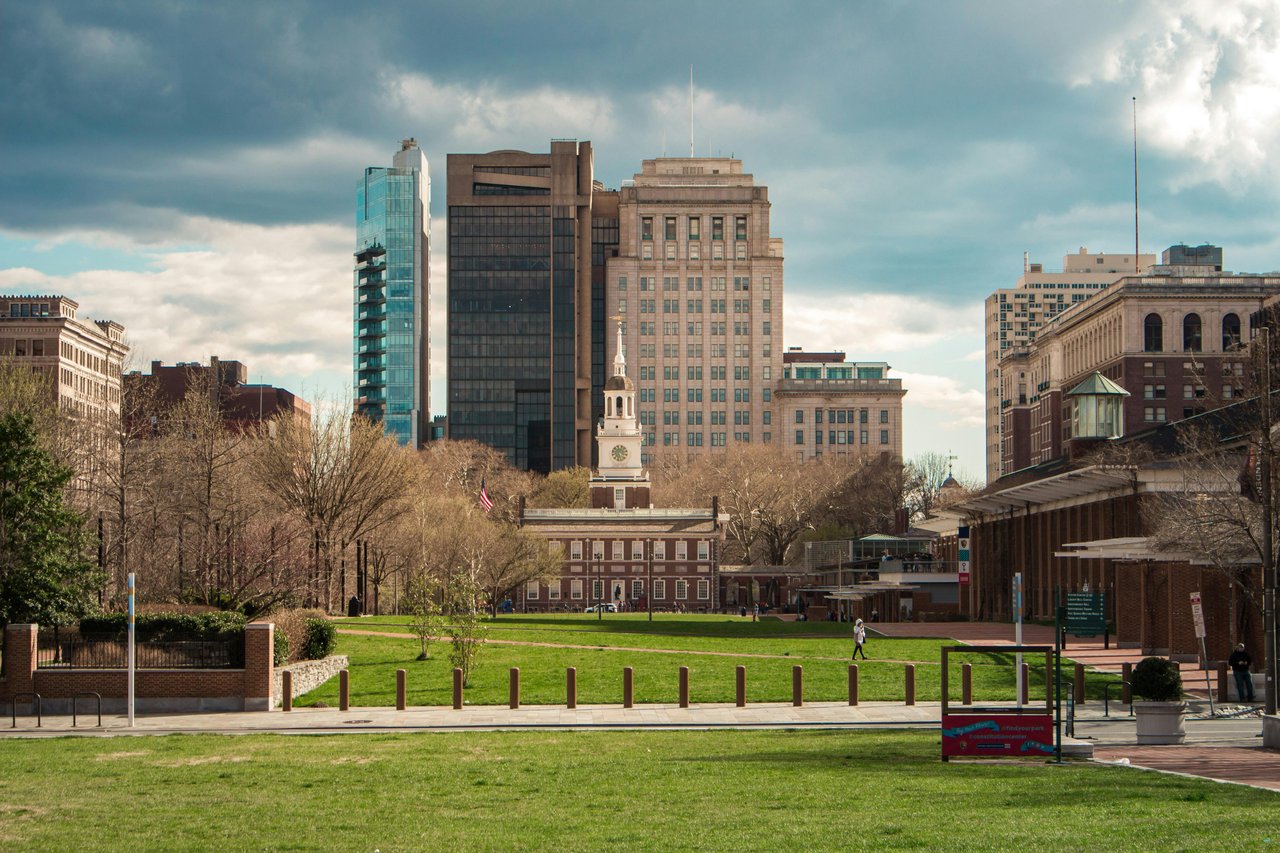
Over time, however, Philadelphia's rich history becomes woven into everyday life.
You'll pass centuries-old buildings on your way to work, walk through historic streets without thinking twice, and begin noticing architectural details that make the city unique.
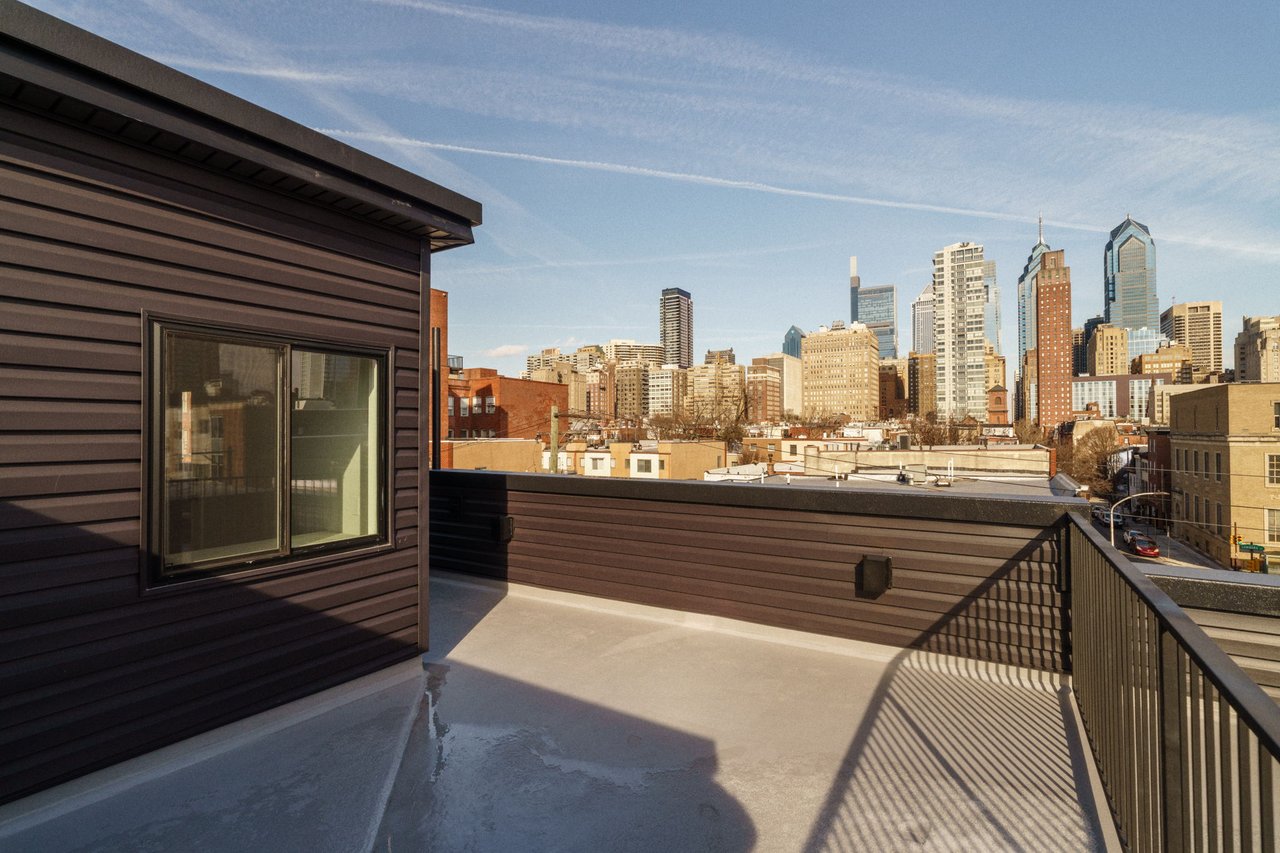
Neighborhoods often blend old and new seamlessly. Historic rowhomes sit alongside modern developments. Colonial-era landmarks coexist with thriving businesses and contemporary cultural spaces.
This combination creates a sense of character that many newer cities struggle to replicate.
By the three-month mark, Philadelphia's history feels less like something you're visiting and more like something you're living alongside every day.
Community Connections Happen Naturally
One of the biggest surprises for many newcomers is how quickly they develop a sense of belonging.
Community events, neighborhood groups, volunteer opportunities, fitness classes, local businesses, and social gatherings make it easier to connect with people than many expect.
Philadelphia residents are known for being authentic, direct, and passionate about their city. While people may seem reserved initially, genuine relationships often develop quickly through shared experiences and community involvement.
As your social network grows, the city begins to feel significantly smaller and more welcoming.
What started as a relocation gradually becomes a true home.
Those first 90 days often lay the foundation for friendships, routines, and community connections that last for years.
What Most People Realize After 90 Days
Moving to Philadelphia is about more than changing your address. It's about becoming part of a city with distinct neighborhoods, rich history, vibrant culture, and a strong sense of community.
The first few weeks are focused on logistics. The next few months are where the real transformation happens.
By day 90, many newcomers find themselves walking familiar streets, supporting local businesses, and feeling connected to their neighborhood in ways they didn't anticipate. The city begins to feel comfortable, familiar, and uniquely their own.
Many homeowners also begin thinking about their property's long-term value. While it's tempting to tackle major renovation projects right away, not every upgrade delivers a strong return on investment. Before investing significant money into home improvements, it's worth reviewing What Not to Renovate Before Selling: 6 Home Upgrades That May Not Pay Off to better understand which projects buyers value most.
If you're considering moving to Philadelphia or exploring your next move within the region, having local guidance can make all the difference.
Ready to Make Your Move?
Whether you're relocating from across the country or moving from a nearby suburb, the team at Rarity Real Estate can help you find the right neighborhood and home for your lifestyle.
Explore available properties, learn more about local communities, or connect with an experienced agent today.
Your first 90 days in Philadelphia start with finding the right place to call home.
Let us help you make that move with confidence.