Living in Philadelphia means becoming part of a city where historic architecture, modern development, neighborhood culture, food, arts, sports, and everyday city life all come together. For newcomers, Philadelphia can offer a lifestyle that feels distinctly urban without being exactly like New York City, Washington, D.C., or other major East Coast cities.
But moving to Philadelphia involves more than finding a home you like online. Where you live can affect your commute, parking situation, access to transit, housing options, daily routine, and overall experience of the city. Even neighborhoods located only a few miles apart can feel noticeably different from one another.
Before you start scheduling showings or packing your moving boxes, here are some of the most important things to understand about living in Philadelphia and finding a place that fits your priorities.
Philadelphia Is a City of Neighborhoods
One of the first things newcomers quickly discover about Philadelphia is how strongly the city is shaped by its neighborhoods.
Philadelphia is not one uniform market. Center City offers a very different living experience from South Philadelphia, Northwest Philadelphia, West Philadelphia, or neighborhoods farther into Northeast Philadelphia. Even communities that sit next to each other can have different housing styles, commercial corridors, transportation options, and street layouts.
For example, someone looking for a highly walkable environment near restaurants, offices, entertainment, and public transportation may focus on areas around Center City. A buyer who wants more residential space, a yard, or easier street parking may explore neighborhoods farther from the downtown core. Others may prioritize proximity to a particular workplace, university, park, train station, or highway.
Instead of asking, “What is the best neighborhood in Philadelphia?” newcomers may find it more helpful to ask:
- How long am I comfortable commuting?
- Do I plan to own a car?
- Do I want to walk to restaurants and shops?
- Would I prefer a rowhome, condo, newer construction, or detached property?
- How important is outdoor space?
- How much maintenance am I comfortable taking on?
- Do I need easy access to public transportation?
- What monthly housing payment fits comfortably within my budget?
A neighborhood that works beautifully for one buyer may not fit another buyer's lifestyle at all.
For an even more realistic look at what everyday life can feel like after relocating, read Moving to Philadelphia? Here’s What Feels Different After 90 Days.
Understanding your daily priorities before narrowing your search can make the home-buying process significantly more focused and help you compare neighborhoods based on what actually matters to you.
Philadelphia Housing Comes in Many Different Forms
Philadelphia's housing stock is one of the features that gives the city so much character.
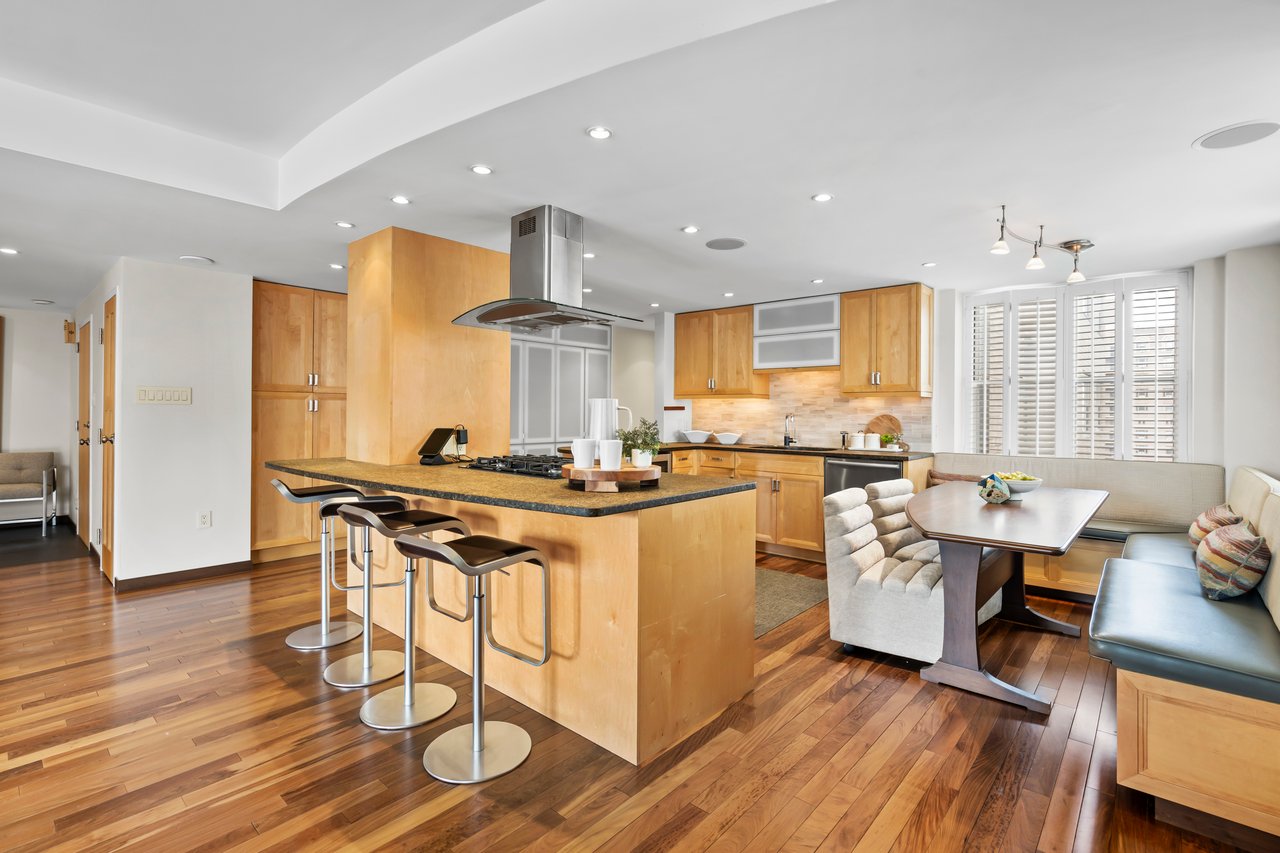
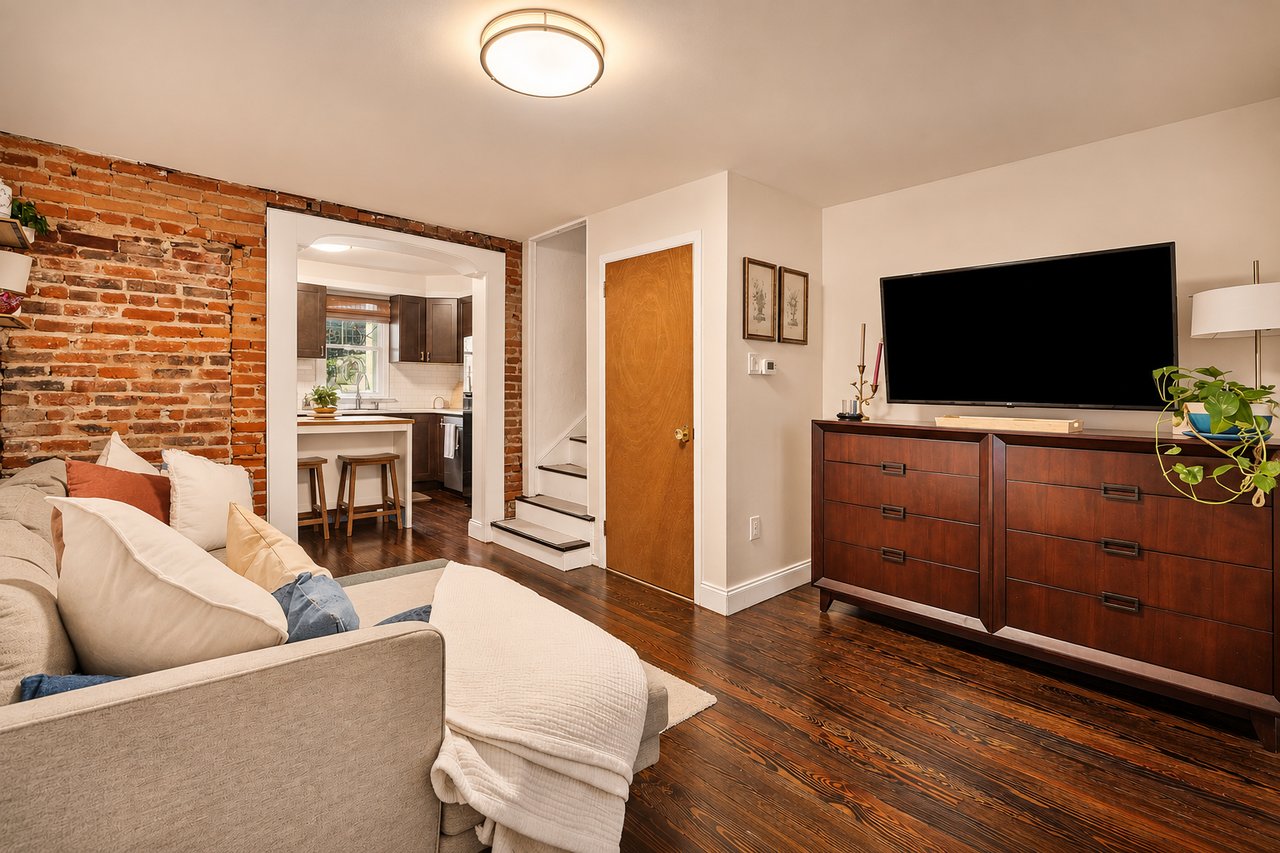
Classic brick rowhomes are found throughout much of the city, but buyers can also find condos, apartments, converted historic buildings, luxury high-rises, twins, detached homes, and modern new-construction properties. Depending on the neighborhood, homes that look similar from the outside may also vary substantially in age, condition, renovations, systems, and layout.
For newcomers, understanding the age and condition of a property can be especially important.
Philadelphia has a large inventory of older homes, which can mean beautiful original details and craftsmanship. It can also mean buyers should pay close attention to items such as roofing, electrical systems, plumbing, foundations, HVAC equipment, drainage, masonry, windows, and previous renovations.
A professional home inspection can help buyers understand the property's current condition before moving forward with a purchase. Additional inspections may also be appropriate depending on the home and circumstances.
New construction presents a different set of considerations. Buyers may want to review warranty information, builder documentation, finishes, property tax information, and whether any tax abatement applies to the property.
This is one reason comparing homes based only on listing price can be misleading. The condition of the property, anticipated maintenance, taxes, insurance, HOA or condo fees, and other ownership expenses all contribute to the true cost of owning the home.
Once you become a homeowner, ongoing maintenance matters just as much as the purchase itself. These essential homeowner tips can help you protect your property, manage expenses, and preserve its long-term value.
The more you understand about Philadelphia's housing stock before touring properties, the easier it becomes to recognize which homes truly fit your budget and expectations.
Getting Around Philadelphia Depends Heavily on Where You Live
Transportation can have a major influence on your experience of living in Philadelphia.
Philadelphia is served by SEPTA, which operates an extensive transportation network throughout the city and surrounding region. Depending on your location, you may have access to buses, Metro services, trolleys, and Regional Rail.
Before choosing a neighborhood, try testing your actual commute rather than simply measuring the distance between two addresses.
A property that is six miles from your workplace may not necessarily provide a faster commute than another property that is farther away but located near a convenient rail or transit connection.
If public transportation will be part of your routine, check current schedules and service information through the official SEPTA website.
For residents who drive, commute time is only part of the equation. Parking availability can vary considerably from one block or neighborhood to another. Some areas have plentiful private parking, while others rely heavily on street parking. Certain streets may also have permit requirements, time restrictions, loading zones, or other regulations.
If you are considering a home with no garage or dedicated parking space, visit the area at different times of day. Parking conditions on a weekday afternoon may look very different from what you experience in the evening.
Transportation should therefore be considered alongside the home itself. A beautiful property is much easier to enjoy when its location works with the way you actually plan to move around the city.
Walkability Can Change Your Day-to-Day Experience
One of Philadelphia's greatest lifestyle advantages is that many neighborhoods allow residents to complete everyday errands without relying entirely on a car.
Depending on where you live, groceries, coffee shops, restaurants, gyms, parks, pharmacies, and neighborhood businesses may all be within walking distance. Other sections of the city are more residential and may require driving or transit for everyday errands.
This is why newcomers should look beyond a home's interior during a property search.
When touring a property, spend time exploring the surrounding blocks. Look at where you would realistically buy groceries, grab dinner, exercise, catch transit, walk a dog, or run everyday errands. Pay attention to sidewalks, intersections, bike infrastructure, transit stops, commercial corridors, and the distance to places you expect to visit regularly.
Online walkability tools can provide a starting point, but there is no substitute for experiencing a neighborhood yourself.
Visit more than once if possible. Walk around during the morning, afternoon, evening, and weekend. A neighborhood's activity level and transportation patterns can change considerably throughout the day.
Your home is more than the property inside its walls. The surrounding neighborhood becomes part of your daily routine, making location one of the most important factors to evaluate before buying.
Philadelphia Residents Should Understand the City's Taxes
Taxes are another important part of planning a move to Philadelphia, particularly for newcomers arriving from outside the city.
Philadelphia has a city Wage Tax that can apply to residents and certain non-residents who work within the city. Because tax rates and regulations may change over time, newcomers should verify the current rules before budgeting for a move.
For homebuyers, property taxes also need to be considered when determining an affordable monthly payment. Property taxes can vary based on assessed value, and certain properties may qualify for exemptions, abatements, or other programs depending on their circumstances.
Rather than relying solely on a listing site's estimated monthly payment, buyers should ask their lender and real estate professional to help identify the major costs that may apply to a particular property.
You can find current tax programs, rates, property information, and resident resources through the City of Philadelphia's official website.
Homeowners who want a deeper understanding of assessments, exemptions, and other tax-related considerations can also review these property tax tips for homeowners.
Because tax laws, assessments, and individual circumstances can change, buyers should verify current information and consult an appropriate tax professional when necessary.
Knowing these expenses before making an offer can help prevent surprises and provide a much more realistic picture of what homeownership in Philadelphia may cost.
Parking Deserves More Attention Than Many Buyers Expect
If you are bringing a car to Philadelphia, parking deserves its own place on your moving checklist.
Many Philadelphia neighborhoods were developed long before households owned multiple vehicles, which means garages and driveways are not standard features everywhere. Rowhome neighborhoods in particular may rely primarily on street parking.
Before buying a property, consider whether it includes:
- A private garage
- A driveway
- A deeded parking space
- Assigned condo parking
- Nearby paid parking
- Street parking
- Permit-restricted parking
You should also consider how frequently you actually use your vehicle.
Someone commuting by car five days a week may evaluate parking very differently from someone who works remotely and uses SEPTA for most local trips.
During home tours, ask about parking, but also investigate it yourself. Visit the block during the hours when you would typically return home. If you expect visitors regularly, consider where they would park as well.
Parking may not seem like the most exciting part of choosing a home, but understanding the reality before you move can make everyday life much easier.
Philadelphia's Rowhomes Come With Their Own Considerations
Rowhomes are part of Philadelphia's architectural identity, and for many newcomers they are also one of the most appealing parts of buying in the city.
However, rowhome ownership can differ from owning a detached suburban property.
Because these homes share walls, buyers should understand property boundaries, shared structural elements, exterior maintenance responsibilities, and any existing agreements that could affect the property. Roof access, rear alleys, party walls, drainage, utility lines, and additions can also deserve additional attention depending on the home.
Some properties have been renovated multiple times over decades. While renovations can create beautiful modern interiors, buyers should still investigate whether major work was completed properly and whether applicable permits are available.
Another important consideration is width and layout. Philadelphia rowhomes can range from compact traditional floor plans to large, extensively renovated properties. Staircases may be narrower or steeper than what newcomers are accustomed to, and basements can vary greatly in height and condition.
None of these features automatically makes a rowhome a poor choice. They simply make understanding the specific property especially important.
A knowledgeable agent and qualified home inspector can help you ask better questions so you know what you are purchasing before settlement.
Your Budget Should Go Beyond the Purchase Price
A realistic Philadelphia home-buying budget includes much more than the number shown on the listing.
Your monthly and upfront costs may include the mortgage payment, property taxes, homeowners insurance, mortgage insurance when applicable, utilities, condo or HOA fees, parking, maintenance, repairs, and closing costs.
The condition of the home can also influence how much financial flexibility you should maintain after closing.
For example, purchasing an older property at a lower price may seem attractive initially, but anticipated roofing, HVAC, plumbing, or masonry work should be factored into your long-term budget. On the other hand, a condo may require less exterior maintenance while adding monthly association fees.
Before shopping seriously, consider speaking with a reputable lender and obtaining a mortgage pre-approval.
Pre-approval provides a clearer idea of the price range available to you, but the maximum amount you qualify to borrow does not automatically have to become your personal maximum budget.
It is also helpful to plan for ownership after closing. Reviewing practical resources such as Essential Homeowner Tips: How to Protect Your Home, Save Money, and Preserve Its Value can help buyers understand some of the expenses and responsibilities that continue long after settlement day.
Buying within a range that leaves room for everyday expenses, savings, maintenance, and unexpected costs can make homeownership considerably more comfortable after moving day.
Explore Neighborhoods Before You Decide
Real estate photos can tell you a lot about a property, but they cannot fully show you what living on a particular block will feel like.
If possible, spend time in the neighborhoods you are considering before making an offer.
Grab coffee nearby. Walk several blocks. Try the commute. Visit the closest grocery store. Check the nearest transit stop. Look at nearby parks and commercial corridors. Return at another time of day.
For objective information about matters that are important to you, newcomers can also review public records and official resources covering transportation, zoning, property information, city services, and other neighborhood characteristics.
Your real estate agent can help you understand property features, transaction history, available inventory, pricing, and market conditions, while you decide which location best matches your individual needs and preferences.
If you are still trying to picture what relocating might actually feel like once the excitement of moving day settles down, Moving to Philadelphia? Here’s What Feels Different After 90 Days offers another helpful perspective for newcomers.
Choosing a neighborhood becomes much easier when you move beyond the map and experience how the area would fit into your actual routine.
What to Know Before Buying a Home in Philadelphia
Moving to a new city comes with a learning curve, and purchasing property adds another layer of decisions.
Before making an offer on a Philadelphia home, buyers should ideally have a clear understanding of their financing, preferred locations, commute requirements, desired property type, anticipated monthly expenses, and priorities.
A strong home-buying strategy may include:
- Getting pre-approved before seriously touring properties
- Identifying several neighborhoods that meet your criteria
- Comparing recent comparable sales
- Reviewing property taxes and applicable fees
- Understanding the home's condition
- Reviewing permits and disclosures when appropriate
- Completing professional inspections
- Evaluating transportation and parking
- Understanding estimated closing costs
- Reviewing the agreement of sale carefully
- Asking questions before important deadlines
Market conditions can also vary considerably by neighborhood, property type, and price range. One section of Philadelphia may favor buyers while another area experiences stronger competition.
That is why broad statements about the “Philadelphia market” do not always tell you what is happening with the particular type of property you want to buy.
Working with a real estate professional who understands the local market can help you interpret comparable sales, evaluate listings, prepare competitive offers, and navigate the transaction from your first showing through settlement.
Is Living in Philadelphia Right for You?
Living in Philadelphia offers something different depending on which neighborhood you choose.
You can live steps from Center City restaurants and offices, settle into a residential rowhome community, choose a condo with city views, find newer construction in a changing commercial corridor, or explore neighborhoods where homes offer additional space while remaining within city limits.
The key is finding the combination of home, location, transportation, and monthly cost that fits the way you actually want to live.
Philadelphia rewards buyers who take the time to explore. Rather than choosing a neighborhood based solely on reputation, online rankings, or a property's listing photos, experience different areas firsthand and compare them according to your own priorities.
The right Philadelphia home is not simply the property with the nicest kitchen or biggest bedroom. It is the home that makes sense for your lifestyle, finances, commute, and long-term plans.
Ready to Make Philadelphia Home?
Moving to Philadelphia can feel overwhelming when you are trying to learn neighborhoods, compare homes, understand the market, and navigate the buying process at the same time. You do not have to figure everything out on your own.
Whether you are relocating from another state, moving into the city from the suburbs, purchasing your first home, or simply exploring your options, having a local real estate professional on your side can make the process easier to understand.
Ready to start exploring Philadelphia homes? Let's talk about what you are looking for, your budget, your preferred commute, and the neighborhoods that may fit your needs. Contact us today to start your Philadelphia home search with a strategy built around you.
Philadelphia has countless ways to live, and finding the right one starts with understanding what matters most to you.