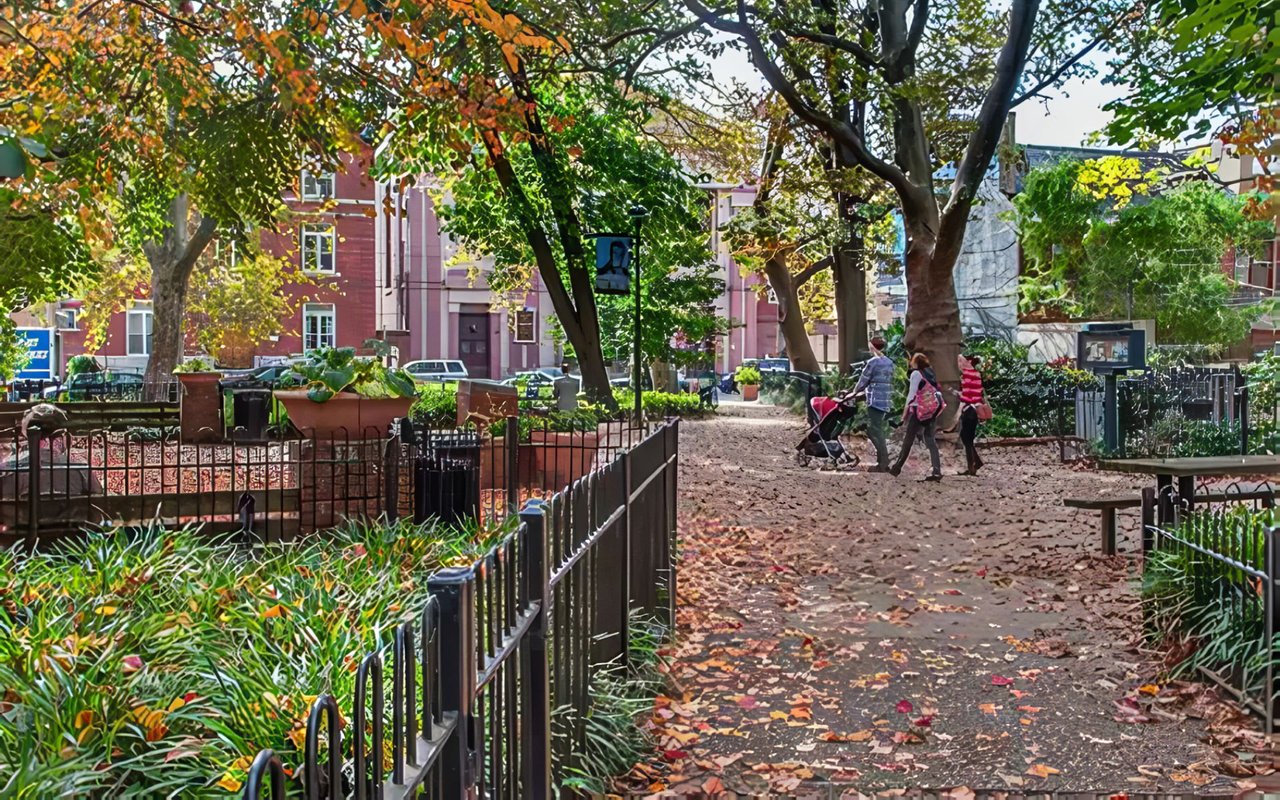
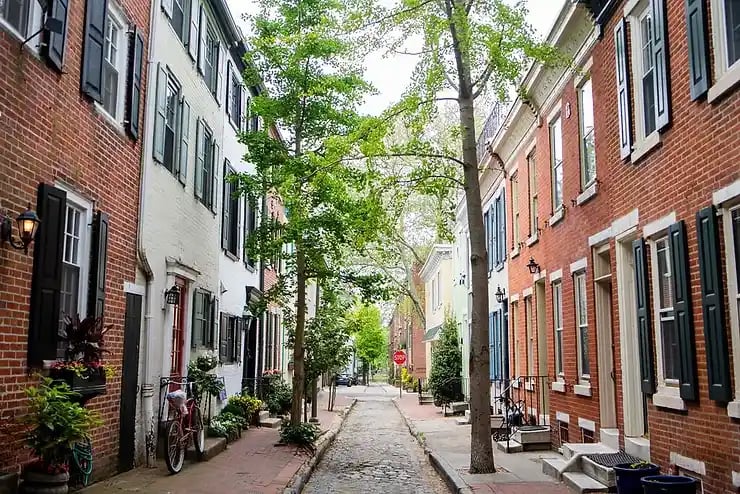
Brick rowhomes on tree-lined blocks, original cornices, and streets that have looked much the same for generations are a big part of what draws people to Philadelphia. Many of those homes sit in a Philadelphia historic district, and buying one comes with a few rules that a typical purchase does not. This guide explains what historic designation means for a buyer, what kinds of changes need city approval, and how to plan before you make an offer.
What Is a Philadelphia Historic District?
The Philadelphia Historical Commission describes a historic district as "a collection of historic resources linked by a location or theme." In Philadelphia, these districts are part of the Philadelphia Register of Historic Places. A property can also be designated on its own, outside of any district.
The city's list of historic districts includes dozens of districts across Philadelphia. A few that buyers ask about most often:
- Society Hill
- Old City
- Rittenhouse-Fitler (explore the nearby Rittenhouse Square area)
- Spring Garden
- Washington Square West
- Overbrook Farms, Powelton Village, and Girard Estate
Not every older home is historically designated, and not every home in a well-known historic neighborhood falls inside a district boundary. Designation is property specific, so it is worth confirming early.
What Changes Need Historical Commission Approval?
If a property is on the Philadelphia Register of Historic Places, the city says you need approval from the Philadelphia Historical Commission for changes. Most reviews involve a property's exterior. According to the city's page on getting approval for work to a historic property, review applies to work such as:
- Construction, alteration, and demolition, including additions.
- Windows, storm windows, dormers, doors, storm doors, security doors, garage doors, and shutters.
- Facades, roofing, storefront features, and signage.
- Painting or coating surfaces, other than wood and metal trim.
- Site work such as driveways, parking lots, and sidewalks.
- Any other change to the exterior appearance of the building, site, or permanent site features.
What usually does not need review
The city lists painting wood trim and replacing clear window glass as standard maintenance that does not require review. Interior work also does not require review unless the interior itself is designated on the register.
In other words, you can generally renovate a kitchen, redo bathrooms, or refinish floors inside a historic home the same way you would anywhere else in the city, subject to normal permits. The front of the house is where the rules apply.
How the Review Process Works
Historical Commission review happens as part of getting a building permit. The city notes that commission staff can often approve a building permit application directly. When a project goes beyond what staff can approve, it is referred to the Architectural Committee and the full Historical Commission for consideration at their public meetings.
Two details buyers are usually glad to hear:
- There is no charge for a project review by the Historical Commission or its staff.
- Commission staff can be reached at (215) 686-7660 or [email protected], with appointments required for in-person visits.
The city also publishes property owner manuals for some districts, including Society Hill, Old City, Rittenhouse-Fitler, Spring Garden, Diamond Street, and Girard Estate. If you are buying in one of those areas, the manual is worth reading before you plan any exterior project.
Smart Steps Before You Make an Offer
1. Confirm whether the home is designated
Ask your agent to check the Philadelphia Register of Historic Places before you write an offer. Knowing up front lets you plan realistically and avoids surprises after settlement.
2. Match your plans to the rules
If you are dreaming of new windows, a roof deck, or a rear addition, talk through the idea early. Changes to the visible exterior will likely need review, so build that time into your renovation plans.
3. Look closely at past exterior work
During your inspection period, pay attention to windows, doors, and facade changes. Your inspector can speak to condition, and your agent and attorney can help you ask the right questions about prior work. Our article on why home inspections matter covers what to expect.
4. Choose the right home type for your lifestyle
Homes in historic neighborhoods range from rowhomes to condos. If you are weighing those options, see our guide to condo vs. rowhome living in Philadelphia.
Why Buyers Love Historic Neighborhoods
Many buyers choose historic districts precisely because the rules protect the look and feel of the street. The same review that applies to your facade applies to your neighbors' homes too, which helps keep the character of the block intact. If that streetscape is what drew you to a neighborhood like Society Hill or Rittenhouse, the review process is part of what keeps it that way. For a closer look at one of the city's best-loved historic areas, read Exploring Rittenhouse Square.
Frequently Asked Questions
Can I renovate the inside of a historic home in Philadelphia?
Generally, yes. The city states that interior alterations do not require Historical Commission review unless the interior is designated on the register. Normal city permits still apply.
Do I need approval to replace windows in a Philadelphia historic district?
Yes. Windows, storm windows, doors, and shutters are on the city's list of work that requires Historical Commission review for properties on the Philadelphia Register of Historic Places. Replacing clear window glass is treated as maintenance and does not require review.
Does Historical Commission review cost anything?
No. The city states there is no charge for a project review by the Historical Commission or its staff.
How do I know if a house is in a historic district?
Check the Philadelphia Register of Historic Places and the city's list of historic districts, or ask your agent to confirm before you make an offer.
Find a Home With History
The Rarity Real Estate Team helps buyers find homes across Philadelphia, from historic blocks in Society Hill and Old City to neighborhoods throughout the city, the Main Line, and South Jersey. Browse current listings, learn about our buyer services, or contact our team to start your search. Own a historic home already? See what it is worth with a free home valuation.
About the Author
Jim Roche is the CEO of The Rarity Real Estate Team, a KW Empower team that has surpassed $1 billion in closed sales across Greater Philadelphia, the Main Line, and South Jersey. A Northeast Philadelphia native and Penn State graduate, Jim has been recognized by Philly Magazine as a top producer and real estate Power Player. PA License #RS332204.
Sources: Philadelphia Historical Commission, How project reviews work; City of Philadelphia, Get approval for work to a historic property; Philadelphia historic districts; Historic district manuals for property owners (phila.gov). Checked November 16, 2026.