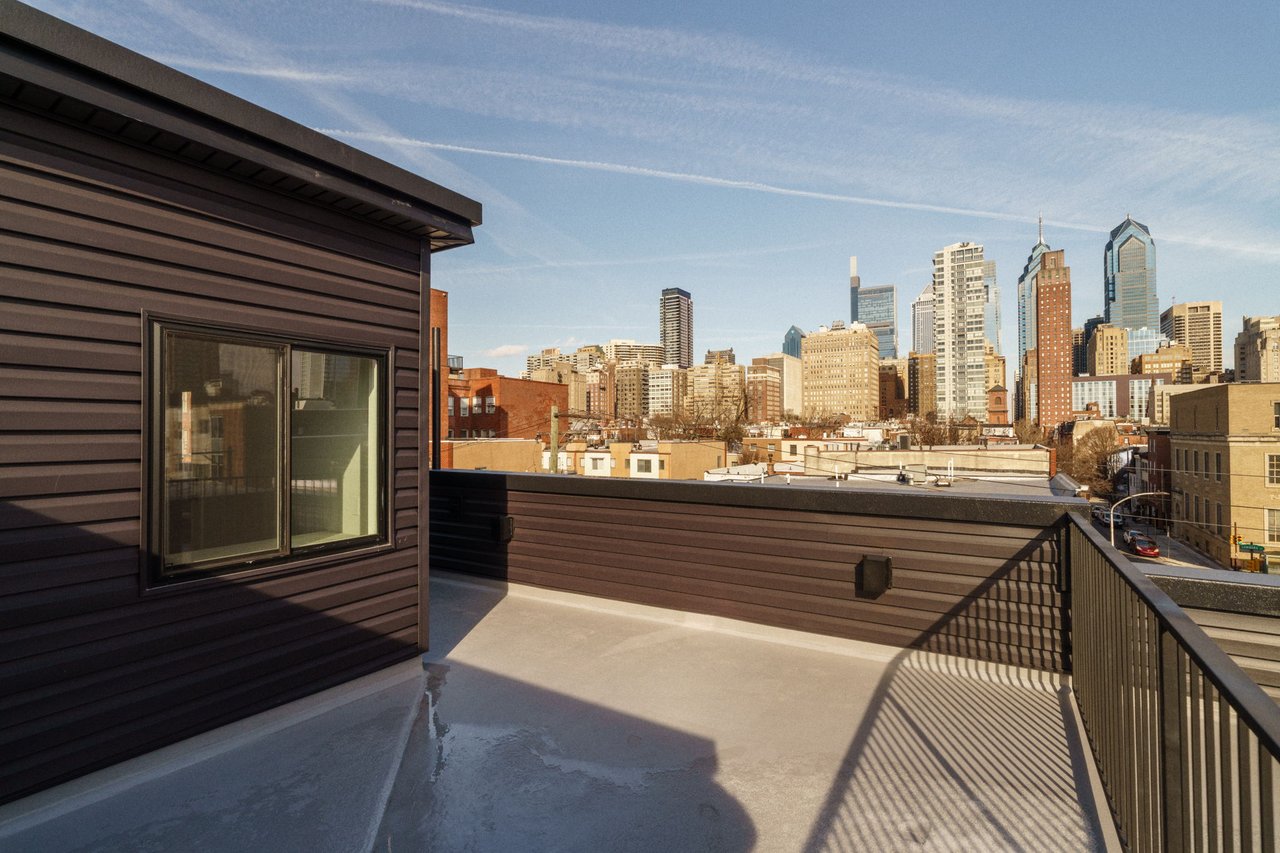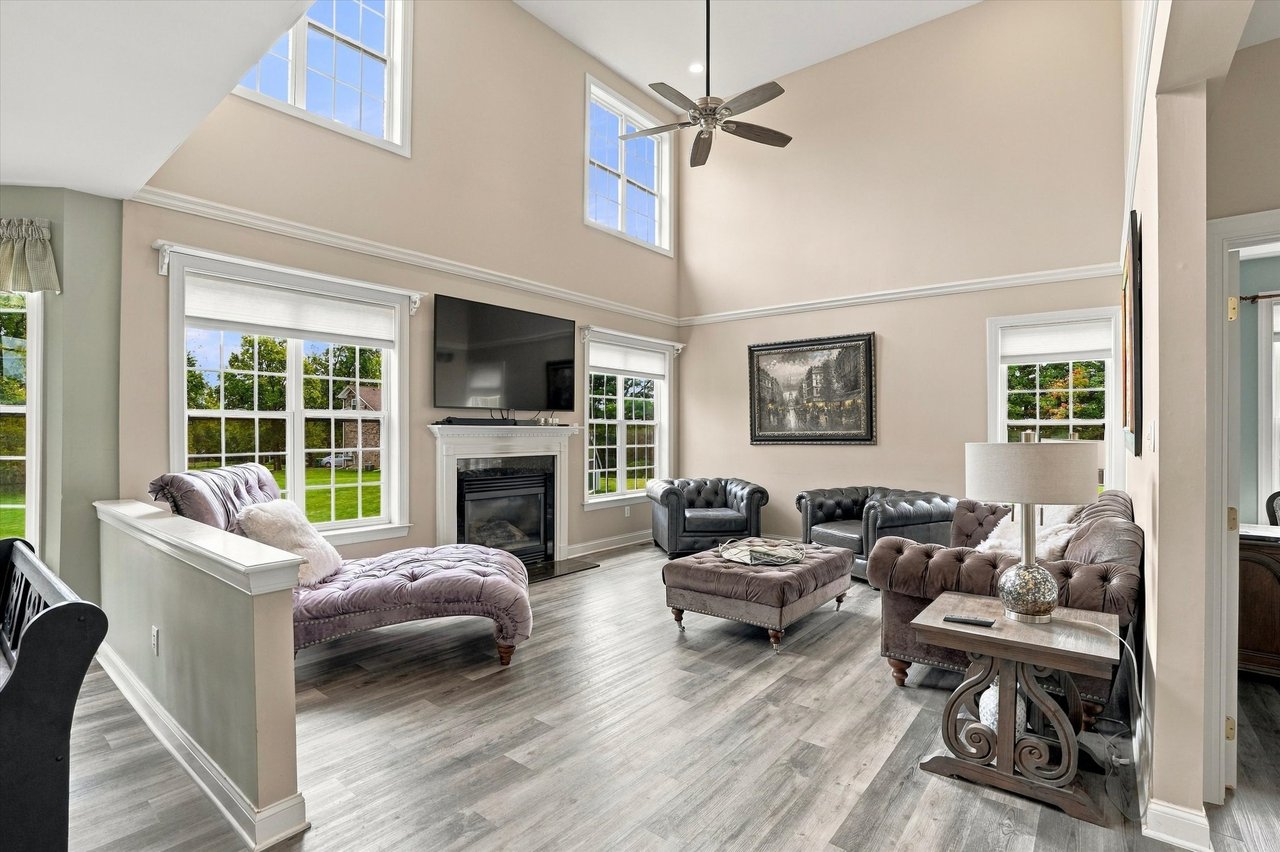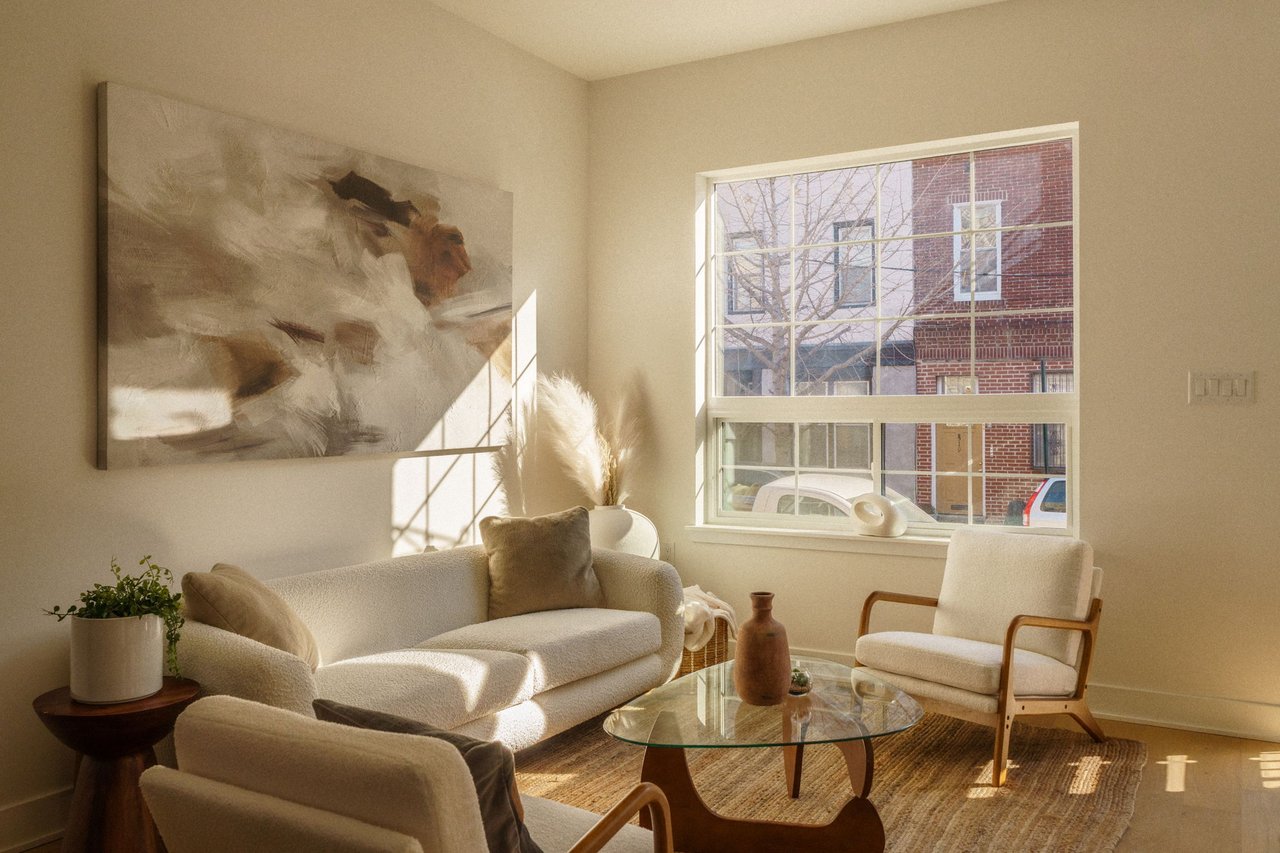
Selling a home is one of the largest financial transactions most people will ever make, yet the majority of Philadelphia homeowners approach the pricing process with incomplete information and it costs them dearly. Some overprice and watch their listing go stale. Others underprice in a rush to sell and leave tens of thousands of dollars on the table. The truth is, learning how to price your home in Philadelphia the right way requires a combination of hard market data, deep neighborhood knowledge, and a clear understanding of buyer psychology. This guide breaks down every factor you need to consider, from running a proper Comparative Market Analysis to understanding Philadelphia's hyper-local micro-markets, so you can make a confident, profitable pricing decision from day one. If you're still in the early stages of preparing your home for sale, we also recommend checking out our complete checklist for selling your home in 2026 before you list.
Why Pricing Strategy is the #1 Factor in Selling Your Philadelphia Home
No single decision will have a greater impact on the outcome of your home sale than the price you set on the first day it hits the market. Overpricing is the most common and costly mistake Philadelphia sellers make. When a home is priced too high, it accumulates what real estate professionals call "listing stigma", the longer it sits, the more buyers assume something is fundamentally wrong with the property, even if there isn't. This leads to a vicious cycle of price reductions that can ultimately push your final sale price well below what you would have received had you priced accurately from the start. Studies consistently show that homes which require a price reduction sell for less than comparable homes that were correctly priced at listing.
On the other end of the spectrum, underpricing might generate fast offers and plenty of excitement, but it means you're giving away equity that was rightfully yours. In Philadelphia's more competitive neighborhoods, some agents intentionally price below market to trigger a bidding war, but this is a calculated strategy that requires precise market conditions, not a default approach. The sweet spot is an accurate, market-supported price that creates urgency among buyers without sacrificing your bottom line. Getting that number right is both a science and an art, and it starts well before you ever go live on Zillow or the MLS.
What is a Comparative Market Analysis And Why You Need One
A Comparative Market Analysis, or CMA, is the most important tool in a real estate agent's pricing arsenal. At its core, a CMA is a detailed report that compares your home against similar properties that have recently sold, are currently listed, or were listed but failed to sell, giving you a complete picture of where your home realistically fits in the current market.
The sold comparables, typically pulled from the past three to six months within a one-mile radius, are the backbone of the analysis. These are real transactions with real buyers who paid real money, which makes them the most reliable indicator of current market value. Active listings matter too, because they represent the competition your home will be measured against the moment a buyer opens their laptop. Expired and withdrawn listings are equally telling: they show you the price ceilings that buyers consistently rejected, which is critical information for avoiding the same mistake.
A good agent will make precise adjustments to each comparable based on differences in square footage, bedroom and bathroom count, lot size, age of the home, renovation quality, and overall condition. This is especially important in Philadelphia, where online estimators like Zestimate are notoriously inaccurate. The algorithm struggles with the city's row homes, twin homes, and historic properties, all of which have unique structural and legal characteristics that a formula simply cannot account for. A realtor-prepared CMA gives you a professionally validated number you can stand behind with confidence.
💡 Want to Know What Your Philadelphia Home Is Actually Worth?
Stop guessing and start planning with real data. Our free Comparative Market Analysis gives you a precise, neighborhood-specific valuation of your home, prepared by a local Philadelphia expert who knows your market inside and out. Just an accurate, honest number you can use to make smart decisions about your sale.
Understanding Philadelphia's Unique Real Estate Micro-Markets
One of the most critical and most overlooked aspects of pricing a Philadelphia home is understanding that this city does not function as a single, unified real estate market. Philadelphia is a patchwork of dozens of distinct neighborhoods, each with its own buyer demographics, price per square foot, days-on-market averages, and demand drivers. What sells quickly and above asking in one zip code may sit for months just a mile away.
Consider the contrast between a renovated three-bedroom rowhome in Rittenhouse Square versus a similar property in Kensington, the difference in market value can be staggering, even if the homes are architecturally identical. Fishtown and Northern Liberties have seen explosive appreciation over the past decade driven by young professionals and strong walkability scores, while neighborhoods like Roxborough and Germantown attract a different buyer profile entirely and respond to a different set of comparable data. Manayunk draws buyers who value the village feel and proximity to the Schuylkill River trail, while Chestnut Hill competes with the Main Line suburbs for buyers prioritizing green space and top-rated schools.
Beyond neighborhood identity, specific block-level factors matter in Philadelphia in ways they don't in most American cities. Whether a home sits within a historic district, such as Society Hill or Rittenhouse, affects what alterations buyers can make to the property and how lenders approach financing, both of which influence your buyer pool and ultimately your price. School catchment zones, proximity to SEPTA regional rail lines, and even the condition of surrounding properties on the same block can measurably shift what a buyer is willing to pay. Understanding who is likely to buy your home is just as important as understanding the data and if you want a deeper look at what today's buyers are prioritizing when they shop, our complete guide for buying a home in 2026 offers a useful perspective from the other side of the transaction. This is precisely why working with a hyper-local agent who knows your specific neighborhood is not just helpful, it's essential.
Timing the Market: When to List for Maximum Profit
In real estate, timing is not everything, but it matters far more than most sellers realize. Philadelphia follows a fairly predictable seasonal rhythm that smart sellers use to their advantage. Spring, specifically the window between mid-March and late May, is historically the strongest period for listing activity in the city. Buyer demand peaks as families try to close before the school year ends, and warmer weather means more foot traffic at open houses and better curb appeal photography. The result is more competition among buyers, faster sales, and higher final sale prices.
Fall, particularly September through early November, can serve as a strong secondary listing window for move-in-ready homes, as motivated buyers who missed out in spring re-enter the market. Summer and winter listings are not impossible, but they typically attract a smaller, more transactional buyer pool.
Beyond seasons, macro-economic conditions play an enormous role. When mortgage interest rates rise, the monthly payment on any given price point becomes more expensive, which effectively shrinks buyer purchasing power and creates downward pressure on prices. In those environments, sellers need to price sharper to remain competitive. Conversely, when rates drop, buyer demand surges and sellers can price more aggressively. Inventory levels are another key variable when fewer homes are available in your neighborhood, your home enjoys a competitive advantage simply by being available, a dynamic that supports stronger pricing. According to Zillow Research, the Philadelphia metro ranked as the sixth hottest housing market in the country for 2026, with the typical home going pending in just 9 days — a clear signal that correctly priced homes are moving fast and sellers currently have the upper hand.
On a purely tactical level, listing your home on a Thursday or Friday maximizes the visibility window heading into the weekend, when the vast majority of buyer showings and open house visits occur. Above all else, avoid the temptation to "test the market" at an inflated price. The first seven to ten days after a home is listed generate the most organic buyer activity and the best chances of receiving multiple offers. Burning that window on an overpriced listing is one of the hardest situations in real estate to recover from.
Smart Pricing Psychology: Strategies Top Agents Use
Experienced Philadelphia agents understand that pricing is as much a psychological exercise as it is a mathematical one. Buyers don't evaluate homes in isolation they evaluate them relative to everything else they've seen, and your list price shapes that perception from the very first click.
One of the most widely used techniques is strategic threshold pricing. Online real estate platforms allow buyers to filter searches by maximum price, which means a home listed at $399,000 will appear in front of every buyer searching up to $400,000 a dramatically larger audience than a home listed at $401,000, which gets excluded from that bracket entirely. This one small adjustment can be the difference between dozens of showings and a handful.
In high-demand neighborhoods, some agents employ a deliberate underpricing strategy listing slightly below the expected market value to generate a flood of interest and competing offers within the first week. When executed correctly in the right market conditions, this approach can drive the final sale price well above what a higher list price would have achieved, while also giving the seller the leverage of choosing among multiple strong offers rather than negotiating from a single bid.
Understanding the anchor effect is equally important. Whatever number you put on your home becomes the psychological reference point for every buyer, buyer's agent, and appraiser who encounters the listing. A well-reasoned, confident price signals to the market that you are an informed seller — and informed sellers attract serious buyers. Finally, never underestimate the power of preparation. Homes that hit the market with professional photography, thoughtful staging, and strong curb appeal can justify pricing at the higher end of the comparable range because the perceived value supports it from the moment a buyer sees the first photo. If you haven't already prepared your home for listing, our ultimate home staging guide walks you through exactly how to make your home look its absolute best before buyers walk through the door.
Common Pricing Mistakes Philadelphia Sellers Make (And How to Avoid Them)
Even well-intentioned, well-informed sellers fall into pricing traps that end up costing them both time and money. Understanding these mistakes before you list is the best way to make sure you don't repeat them.
The most pervasive mistake is pricing based on what you need to net from the sale rather than what the market supports. Buyers have no awareness of — and no obligation to accommodate — your mortgage payoff amount, your renovation budget, or your plans for the proceeds. They are comparing your home to every other option available to them at that price point, and if yours doesn't stack up, they will simply move on.
Using outdated or geographically irrelevant comparables is another serious error, particularly in a city as dynamic as Philadelphia. A sale that closed eighteen months ago in a rapidly appreciating neighborhood may be completely irrelevant today, and a comp from a neighboring zip code may reflect entirely different market conditions. Sellers also frequently overestimate the return on their home improvements. While quality renovations add value, buyers rarely pay dollar-for-dollar for upgrades, particularly those that reflect the seller's personal taste rather than broad market appeal. A custom-tiled bathroom or a high-end chef's kitchen may be beautiful, but it will not necessarily justify a price that falls outside what the comps support.
Deferred maintenance is a silent price killer that many sellers underestimate. Buyers and their agents notice everything, a leaky roof, aging HVAC system, or outdated electrical panel will trigger either a lower offer or a demand for credits that erodes your net proceeds significantly. Addressing known issues before listing, or pricing to reflect them transparently, is always a smarter approach than hoping buyers won't notice. Lastly, one of the costliest habits a seller can develop is stubbornly refusing to adjust the price after two to three weeks of minimal showings or zero offers. The market is always communicating and when it tells you the price is wrong, listening early costs far less than waiting.
Conclusion
Pricing your Philadelphia home for maximum profit is never a matter of picking a number and hoping for the best. It requires a thorough CMA, a detailed understanding of your specific neighborhood, smart timing, and a clear grasp of how buyers think and behave. Every section of this guide represents a lever you can pull to strengthen your position as a seller. Before you list, make sure you've worked through our complete home selling checklist for 2026 so nothing falls through the cracks. When all of those levers are working together, the result is faster offers, stronger negotiations, and a final sale price that truly reflects what your home is worth.
Ready to Find Out Exactly What Your Philadelphia Home Is Worth?
The difference between a good sale and a great one often comes down to having the right agent in your corner before you ever hit the market. Our team specializes in Philadelphia real estate and provides a free, no-obligation Comparative Market Analysis customized to your neighborhood, your home's unique features, and current market conditions. Whether you're planning to list next month or next year, there's no better time to understand your home's true value than right now. Don't leave your equity on the table.
📅 Schedule Your Free Home Pricing Consultation Today.